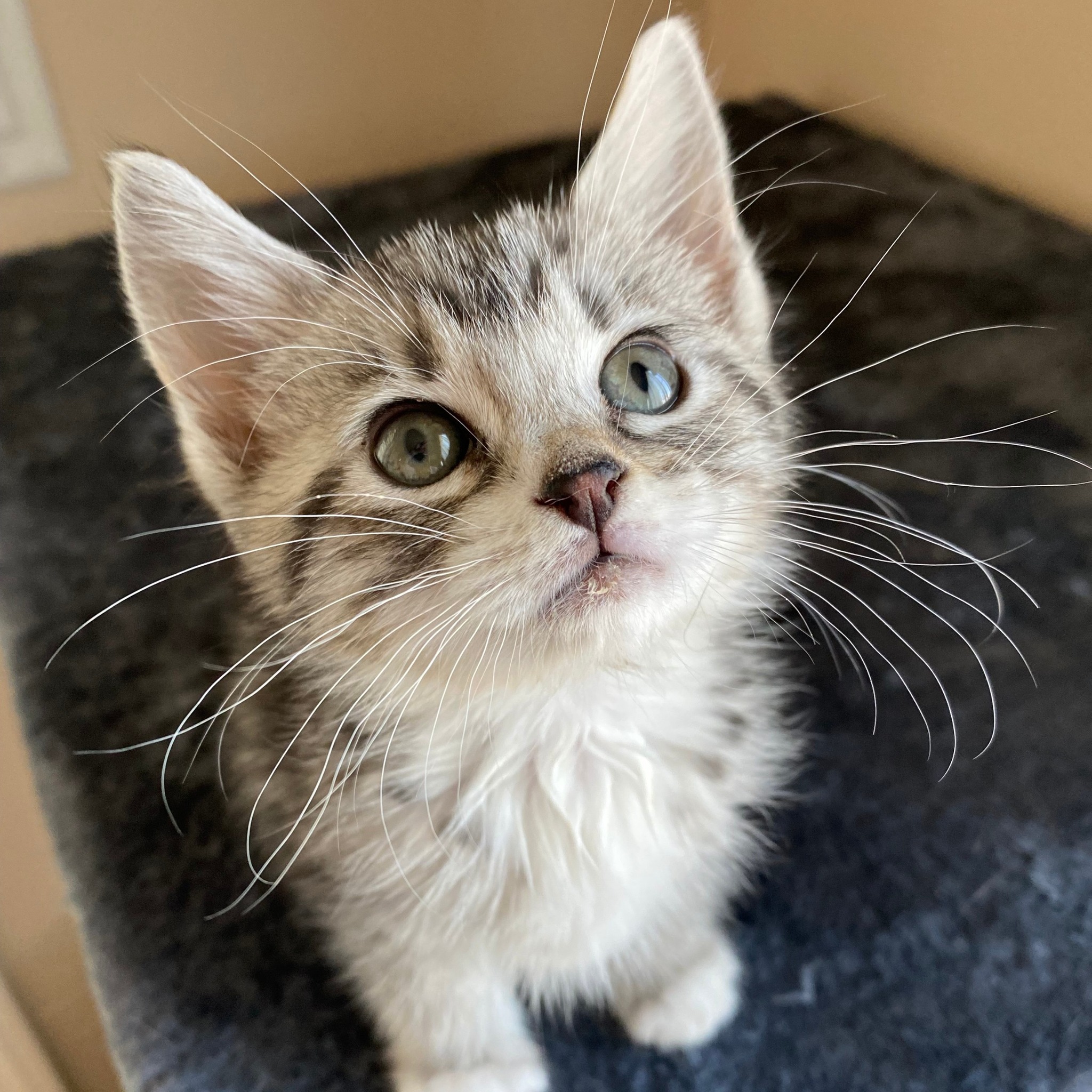

Because tiny paws need big help.
Every spring and summer, Las Vegas is flooded with an overwhelming number of homeless kittens. We’re talking hundreds of itty bitty babies each week—from orphaned newborns to wobbly fluffballs learning how to eat. And that’s where you come in.
By joining The Itty Bitty Kitty Committee, you’ll give these fragile little lives a fighting chance by providing them with a temporary, loving home until they’re ready for adoption. We provide everything you need. You provide the snuggles, bottle skills, and cozy naps.
Whether you’re raising bottle babies or hosting a mama cat and her crew, fostering kittens is one of the cutest, most rewarding ways to save lives.
Our Kittens Need You!
Las Vegas is overflowing with tiny, vulnerable kittens who need a safe place to grow. In this video, we show you how simple—and rewarding—it is to become a kitten foster.

How to Become a Kitten Foster
Kitten fostering is a walk-in process. There are no appointments. Simply stop by and follow the steps below to begin. Please note that we will not call or email you to schedule a time to pick up kittens.
- Choose your kitten adventure.
Let us know what kind of kittens you’re open to fostering—we’ll help guide you based on your home, lifestyle, and comfort level. - Apply to foster.
Fill out our quick application online or in person. Pro tip: applying ahead of time speeds up the process. - Browse available kittens.
During kitten season, we receive dozens of kittens every day. If you don’t see any now, check back soon—the list refreshes every 30 minutes.
- View our resources.
We highly recommend browsing our kitten resources below, where you’ll find videos about the basics of kitten fostering. During our busy season, we also offer kitten trainings for you to attend in-person. You can click here to view all available trainings.
- Visit us!
To pick up foster kittens, come to our Low-Cost Vet Clinic any day of the week between 8 AM and 7 PM. Let a team member know you’re here to join the Itty Bitty Kitty Committee, and we’ll walk you through everything and give you all the supplies you’ll need. Wait times can vary, especially on busy days or when many first-time fosters are picking up animals. If you are a first-time foster, please allow extra time so we can walk you through bottle-feeding, stimulating, weighing, and other important care steps.
Kitten Resources
Welcome to Kitten Fostering!
Welcome and What to Expect Shelter kittens need your help to survive. First, it’s important to understand a kitten’s…
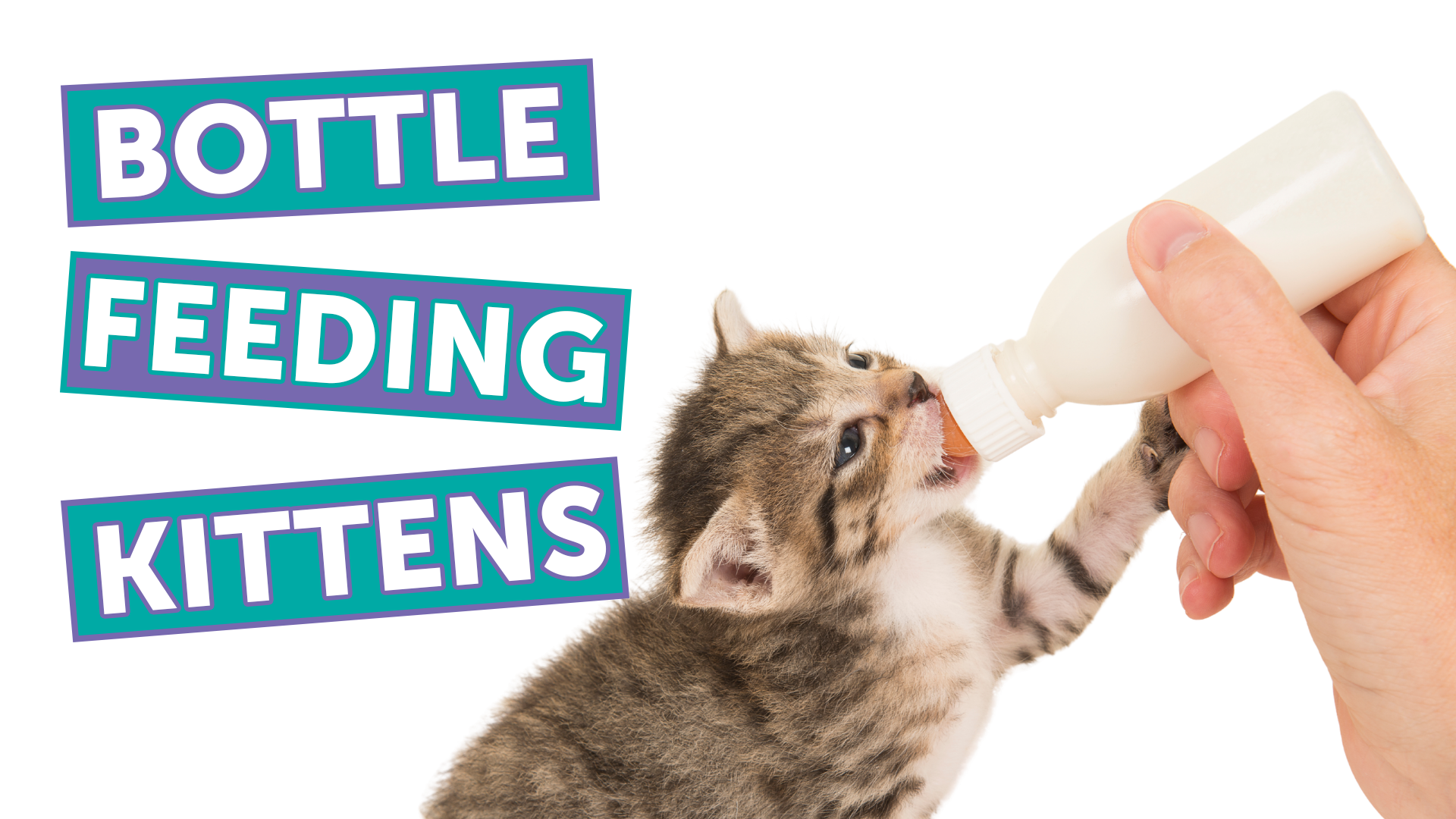
Bottle Feeding Kittens
Feeding Foster Kittens Newborn kittens need to eat every 2–3 hours, including overnight. This frequent schedule is essential for…
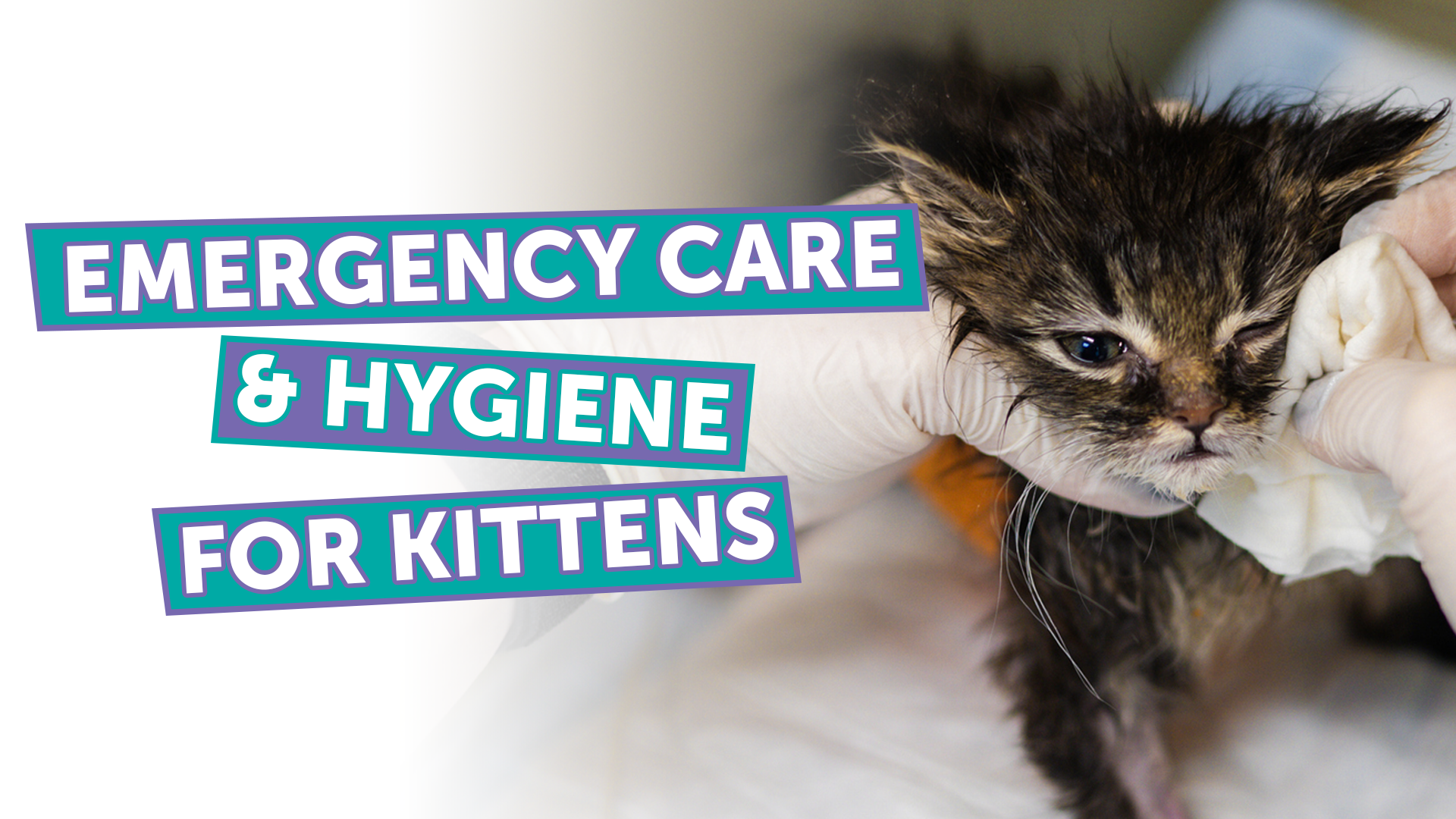
Emergency Care for Foster Kittens
Hygiene, Emergency Care, and Interventions Newborn kittens are extremely fragile, which makes hygiene one of the most important parts…
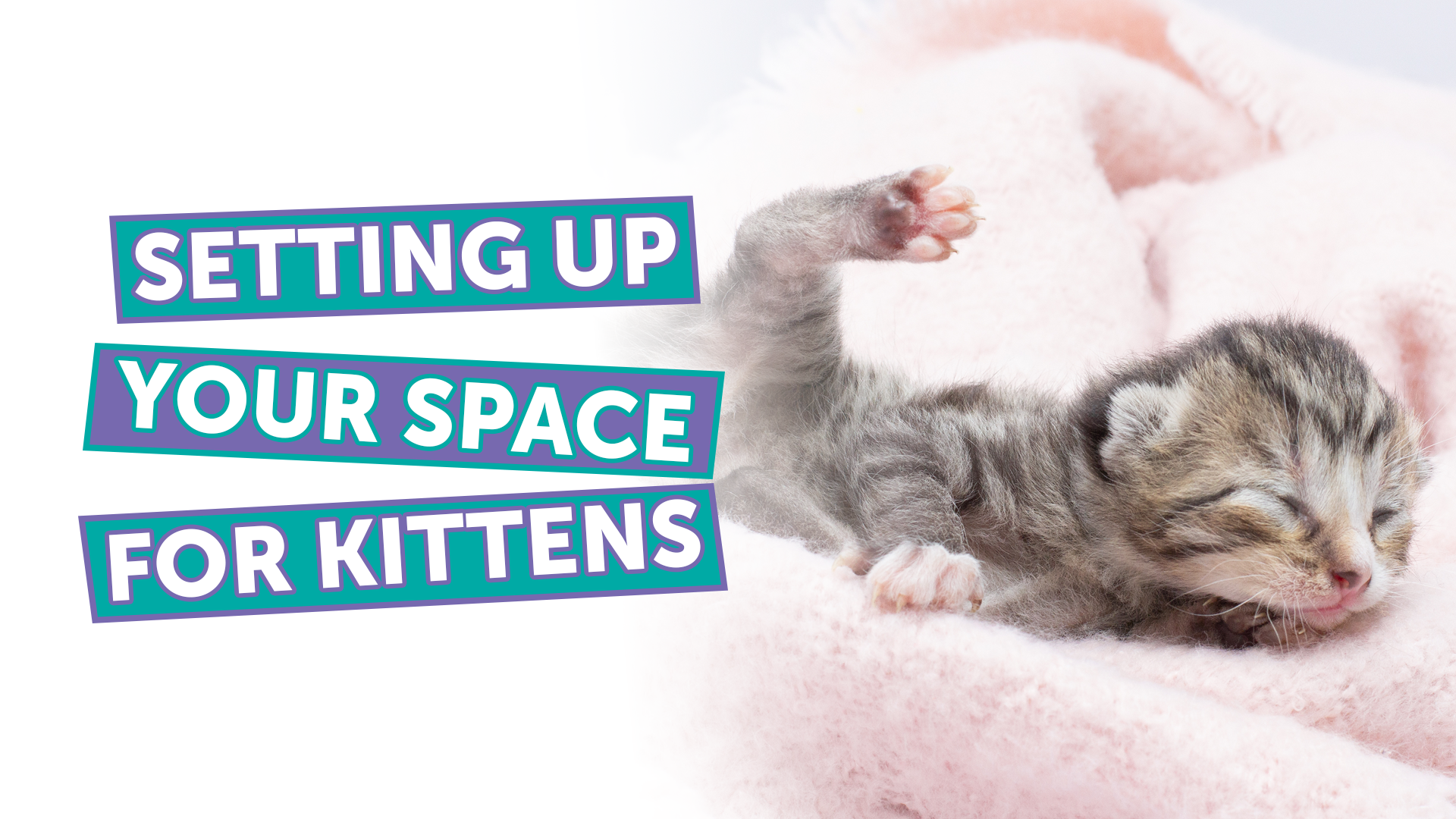
Warmth, Setup and Socialization
Warmth, Setup and Socialization Keeping neonatal kittens warm is absolutely essential, especially in their first weeks of life. At…

How to stimulate and weigh kittens
How to stimulate and weigh kittens Neonatal kittens require hands-on care because they are not yet able to fully…
Upcoming Kitten Foster Trainings
Want to feel even more confident before bringing kittens home? Our upcoming trainings are a great way to learn the basics of kitten care, see what fostering is really like, and ask questions along the way. These sessions aren’t required, but they’re highly recommended—especially if you’re new to kitten fostering or still deciding if it’s the right fit for you.
Events
Frequently Asked Questions
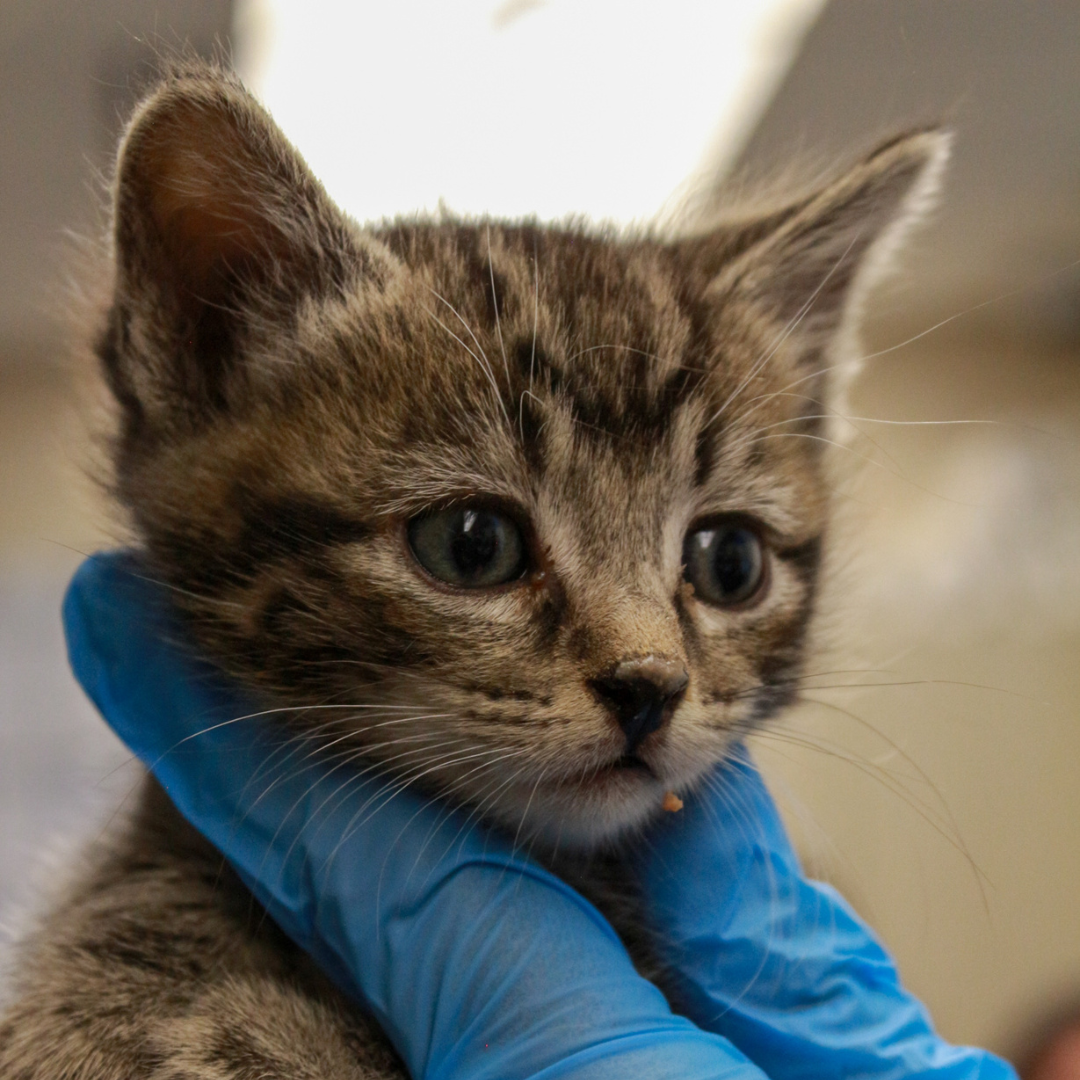
Your main role is to provide a safe, loving environment while monitoring the “Big Three” of kitten health:
- Nutrition
- Hygiene
- Health and Comfort
Make sure the kittens eat consistently and gain weight daily. Help with bathroom stimulation, keeping eyes clean, and maintaining clean bedding and fur. Give medications if needed and keep kittens warm and cozy at all times.
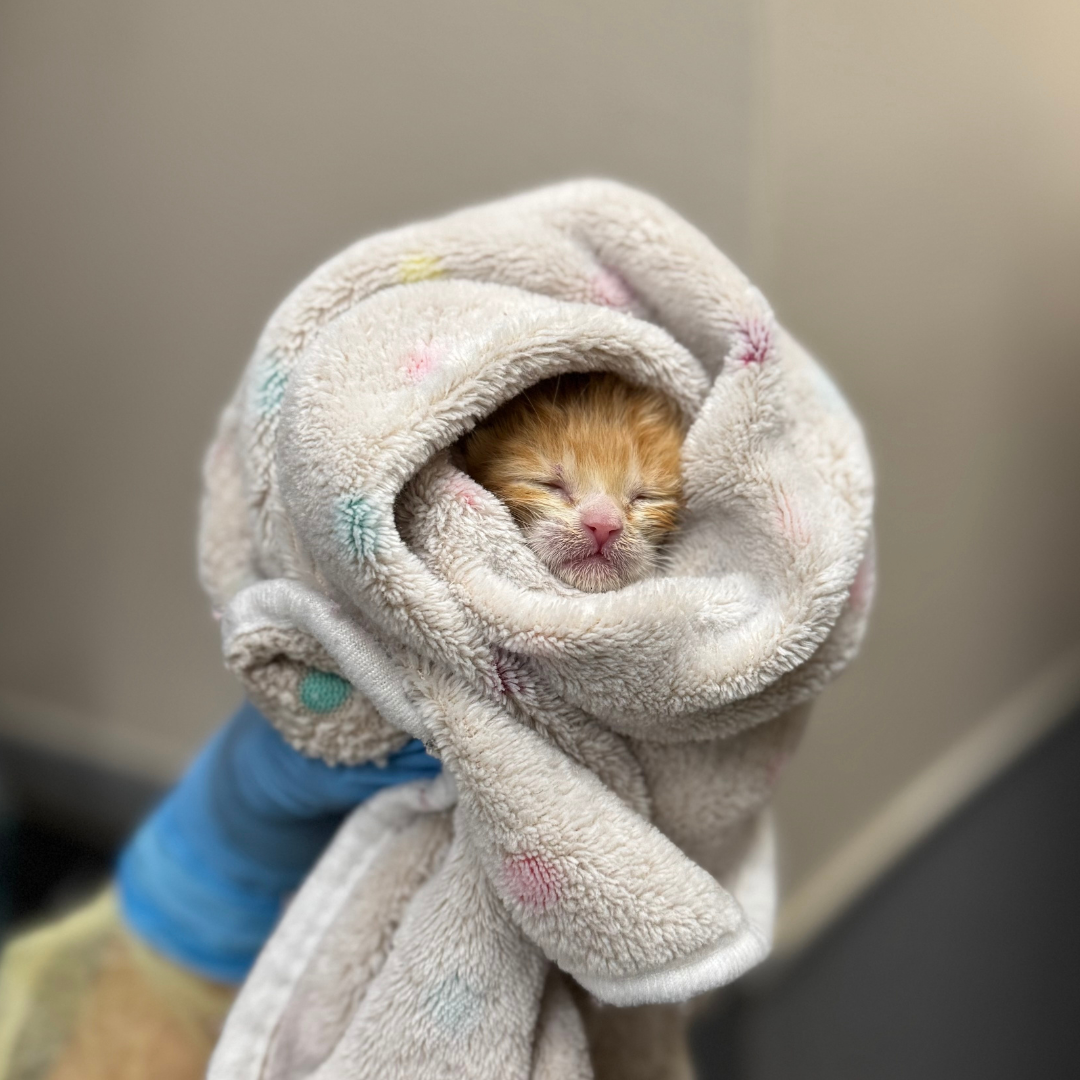
Caring for vulnerable kittens can be rewarding, but it’s important to understand the realities of neonatal care. Kittens with their mother have a 75–95% survival rate. Orphaned kittens in foster care have a 60–85% survival rate. A mother cat is always the best caregiver, but foster homes give orphaned kittens their best possible second chance.

Before bringing kittens home, create a dedicated “Kitten Zone” that is warm and quiet, clean and sanitized, separate from other pets, and easy to monitor. Daily sanitation is extremely important to help prevent illness from spreading.

Tracking daily progress helps catch medical issues early. You will need to keep records of weight checks, feedings, medications, bathroom habits, and behavior changes. Consistent weight gain is one of the most important signs of healthy development.
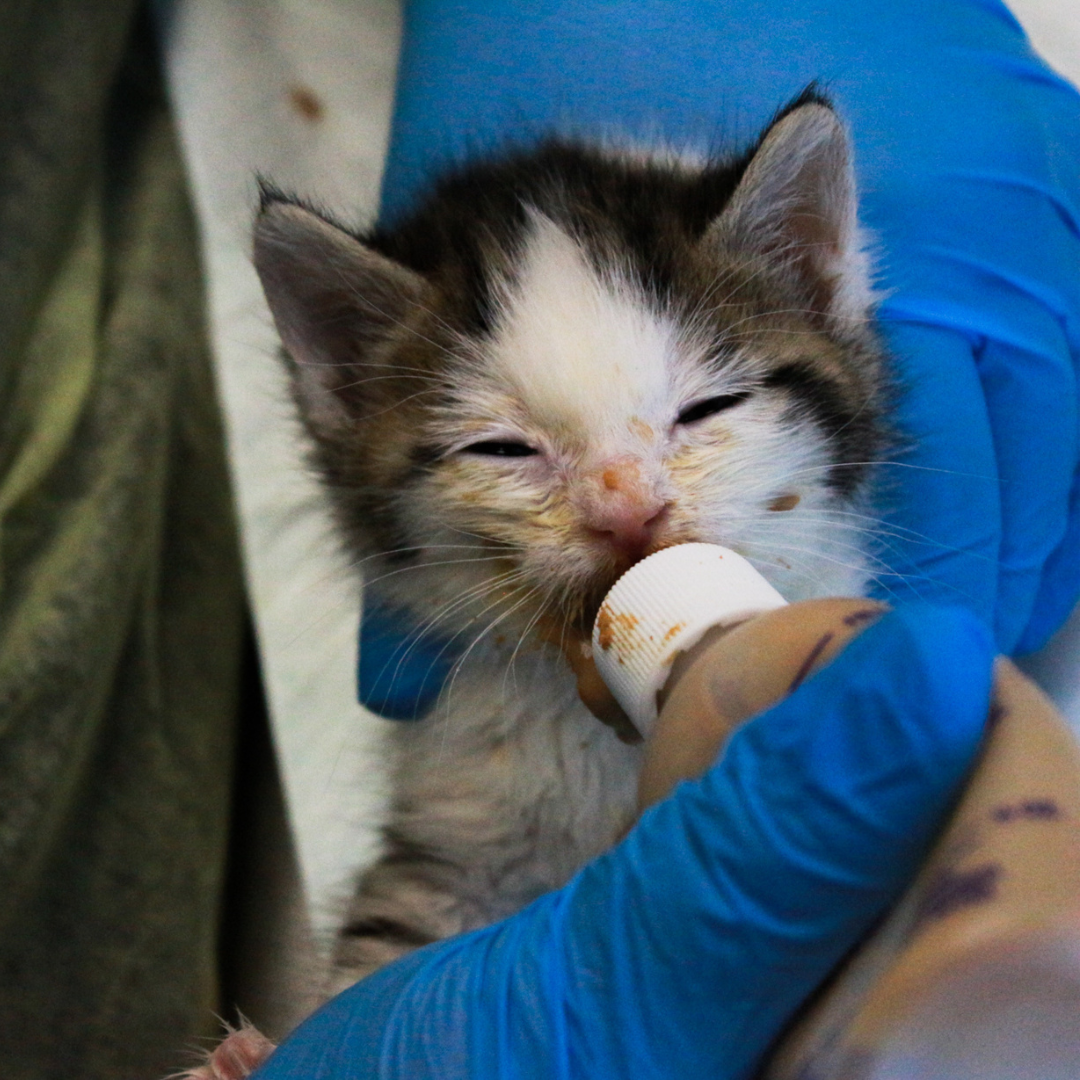
This depends on their age and weight. Neonatal kittens typically need to eat every 2–3 hours, including overnight. Older kittens eat less frequently as they grow. Consistent feeding schedules are critical for healthy weight gain.

Most crying kittens are trying to tell you one of three things. They’re either hungry, cold or need help going to the bathroom. If those needs are met, they may simply need comfort, warmth, and cuddles.
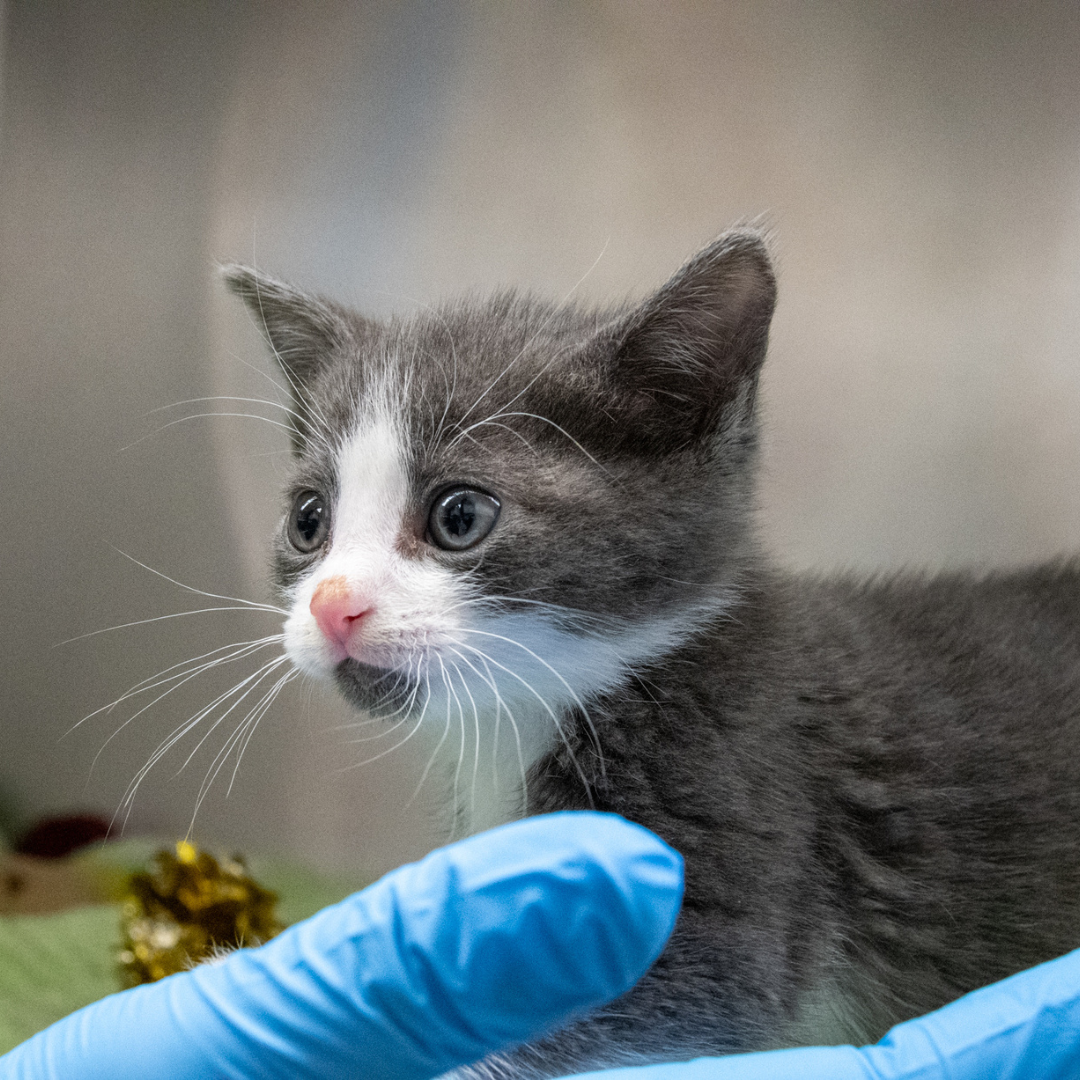
No. Healthy kittens should gain weight consistently every day. If a kitten stops gaining weight, loses weight, or refuses food, it should be treated as urgent and reported to The Animal Foundation’s foster team right away.

Fading Kitten Syndrome (FKS) is a life-threatening emergency where a kitten rapidly declines.
Signs may include a limp body, cold temperature, weakness, lack of appetite and labored breathing. Rub sugar water or Karo syrup on the kitten’s gums. Then, warm the kitten using heated towels or body heat. Even with excellent care, some kittens may not survive. Neonatal fostering can be emotionally difficult, and not every outcome is preventable.
Please contact The Animal Foundation’s foster team for routine vaccines, any medical concerns, signs a kitten is “not actually fine,” urgent symptoms, or when your foster kitten reaches two pounds. At 1.5 lbs, kittens are typically scheduled for spay/neuter surgery and adoption preparation.
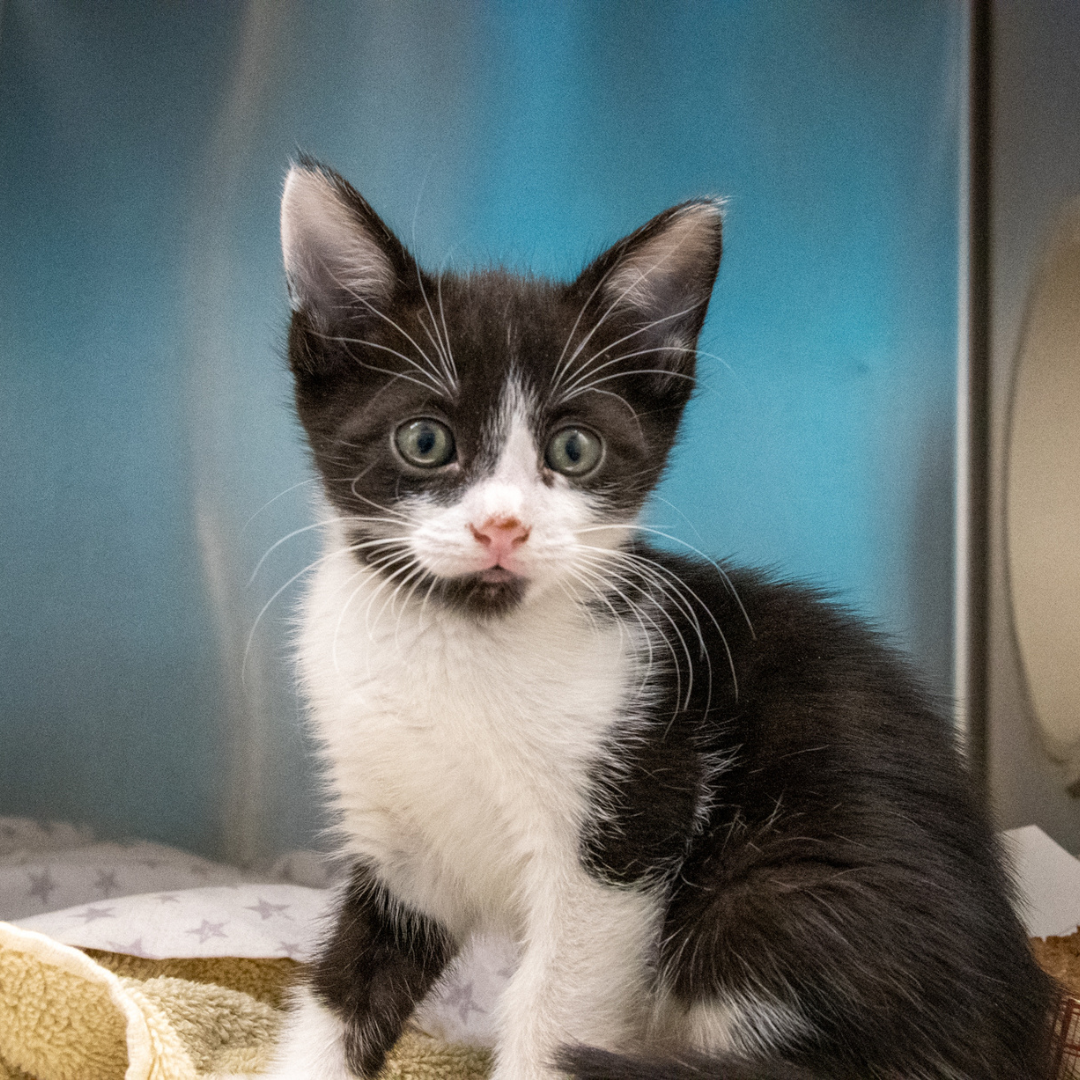
Yes! Many fosters choose to adopt their kittens permanently. Notify The Animal Foundation’s foster team before the kitten reaches two pounds. You must complete the standard adoption paperwork and pay the standard adoption fee. A single kitten is $75. The adoption fee for two kittens is $100. A $10 license fee may also apply depending on the age of the kitten and the jurisdiction where you live.
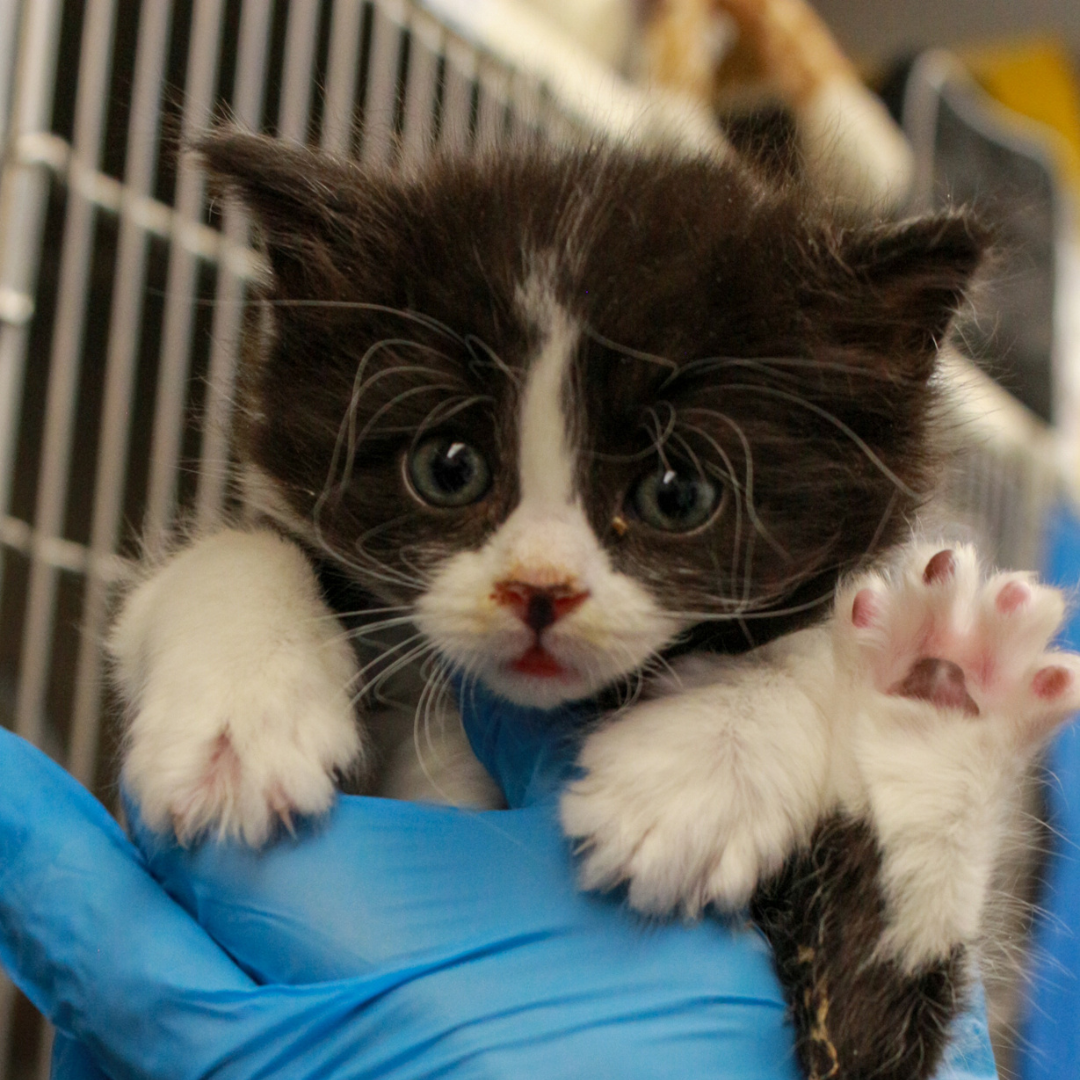
We love when fosters help find forever homes. If a friend, family member, or neighbor is interested, have them contact the foster team directly. You must wait until the kitten is medically cleared before adoption placement. Sharing photos and stories on your social media is one of the best ways to help kittens find great homes.
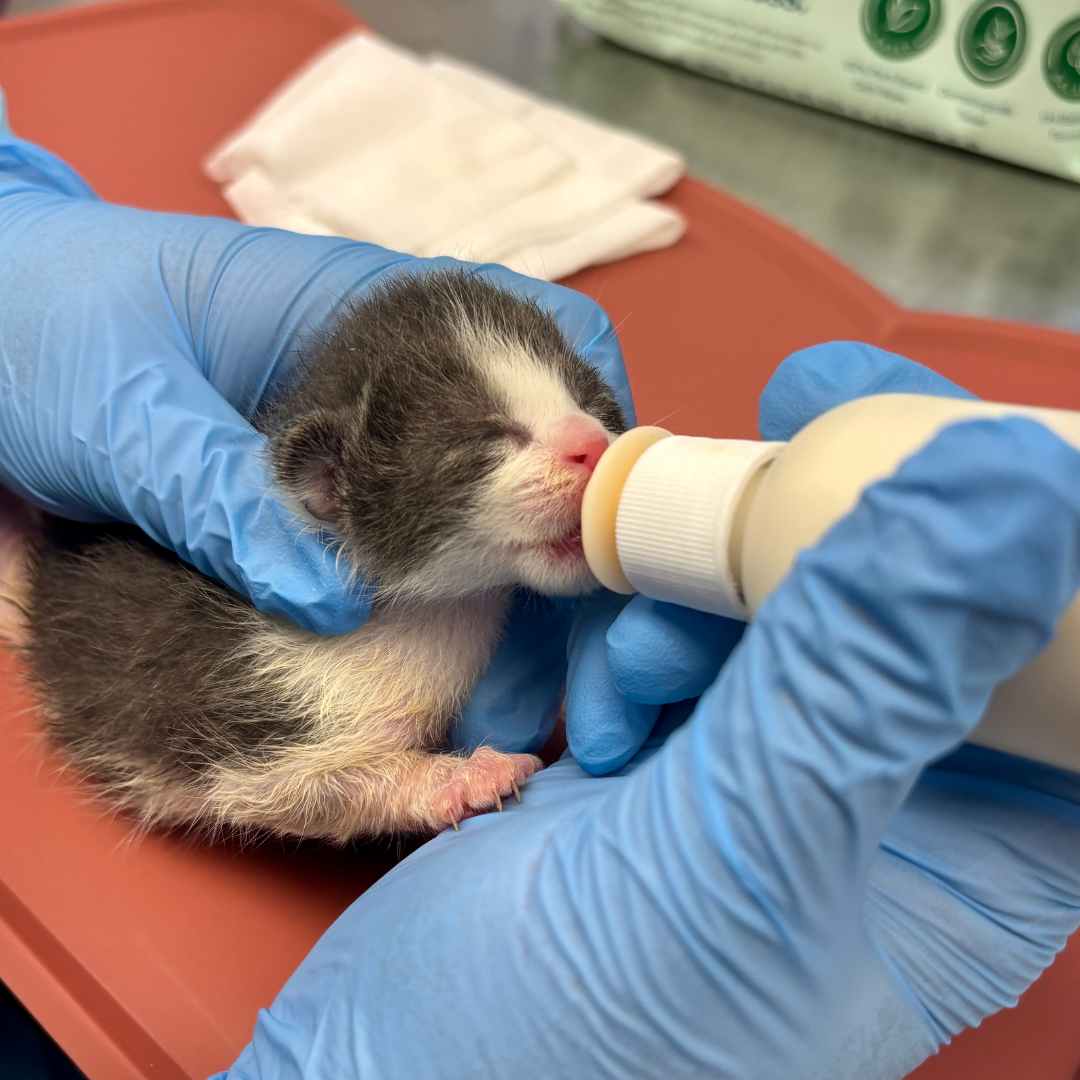
Make sure the kitten is warm before feeding. Check to make sure the nipple on the bottle isn’t clogged. Gently pull the bottle backward slightly to trigger nursing. Wrap the kitten snugly in a towel or blanket “purrito” to help them focus.

Constipation is often caused by incorrect formula mixing or incomplete stimulation. Try double-checking formula measurements, using gentle circular motions during stimulation, and briefly dipping the kitten’s bottom in warm water. If a kitten hasn’t pooped in more than 36 hours, contact The Animal Foundation’s foster team.

This is often caused by formula issues or poor sanitation. Make sure the formula is mixed exactly as directed and bottles and supplies are sanitized after every use.

This may be aspiration and can become dangerous quickly. Stop feeding the kitten immediately. Tilt the kitten slightly downward to clear the airway. Always feed kittens on their stomachs. Never, ever feed a kitten on their back. Always watch for lethargy, coughing, and labored breathing. These can be signs of aspiration pneumonia and require emergency care.

Never feed a cold kitten. Instead, use a heating pad on low (wrapped in a towel) or use a warming disc or heated blanket. A warm kitten can digest safely. A cold kitten cannot.

Kittens usually graduate from foster care once they reach 1.5 lbs, receive required vaccines, and are cleared for surgery and adoption