
A Guide to Rehoming Your Pet Responsibly


Rehoming a beloved pet is never easy, but when it’s necessary, doing it yourself is one of the most compassionate options. Shelters are unfamiliar and stressful environments, and even the most adoptable animals can struggle in a kennel setting. By finding a home directly, you can ease your pet’s transition, avoid the shelter altogether, and choose the adopter yourself.
This guide walks you through the rehoming process step-by-step—from creating a strong adoption listing to screening potential adopters and making the transition as smooth as possible for everyone involved.
Step 1: Prepare Your Pet’s Adoption Profile
A great listing will help your pet stand out—and connect with the right adopter.
Start with quality photos:
- Use a clean, uncluttered background
- Make sure your pet is well-groomed and clearly visible
- Get on their level and aim for a photo where they’re looking at the camera
- Avoid zooming in—move closer instead, so the image stays high-resolution
Write an honest, engaging bio:
Describe your pet’s:
- Personality and quirks
- Favorite things (toys, activities, routines)
- Age, weight, and sex
- Health history or any ongoing needs
- Behavior around children, cats, dogs, or strangers
Don’t shy away from disclosing challenges—transparency builds trust and helps match your pet with someone who’s truly prepared.
Need help writing a great pet bio? Check out How to Write Adoptable Pet Bios
Step 2: Get the Word Out
The more people who see your pet’s story, the more likely you are to find a great match.
Online platforms:
- Adopt-a-Pet’s Rehome program
- Home to Home
- Get Your Pet
- Petbond.com
Print and share flyers:
Use free design tools like Canva to create an eye-catching flyer. Print copies to post at:
- Vet clinics
- Pet stores and groomers
- Coffee shops and churches
- Community bulletin boards
Network with people you know:
Email your flyer to friends, family, coworkers, and local rescue groups. Even if someone isn’t looking for a pet, they may know someone who is.
For dogs:
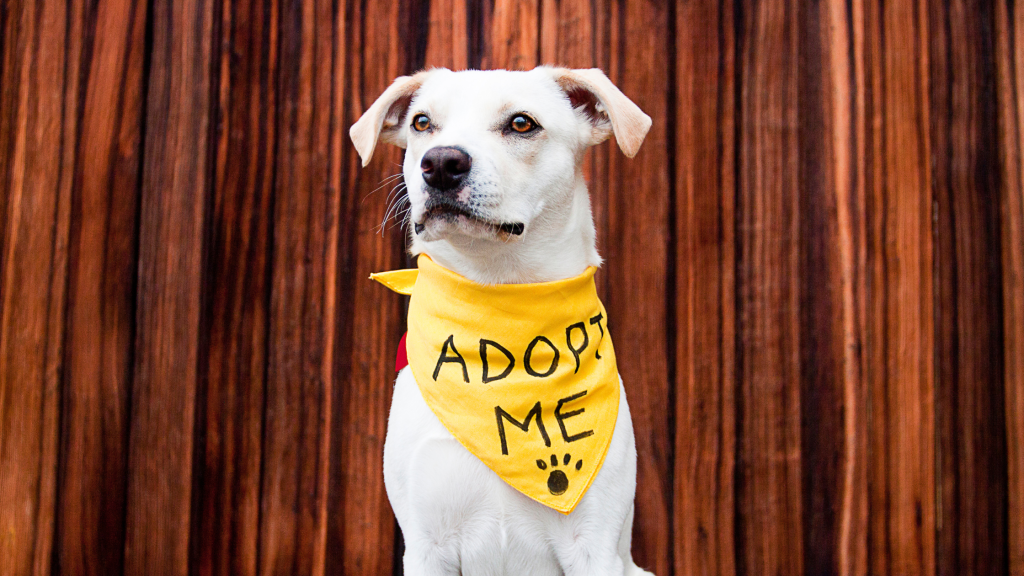
Take your dog out into the community. A friendly dog in an “Adopt Me” vest at the park or pet store can catch someone’s attention. These accessories are available online and can spark conversation in dog-friendly spaces.
Step 3: Screen Potential Adopters
Once people start reaching out, have a casual phone conversation first to see if they’re a good fit. Here are some questions to guide your conversation:
General questions:
- Have you had pets before? What happened to them?
- Do you currently have other pets? Can you describe them?
- Do you rent or own your home? If renting, are pets allowed?
- Do you have children? What are their ages?
- How long will the pet be alone during the day?
- Where will the pet stay during the day? At night?
For dog adopters:
- Do you have a fenced yard?
- How often will the dog be walked or exercised?
For cat adopters:
- Will the cat live indoors, outdoors, or both?
- What are your views on declawing?
- Would you allow a visit to see where the cat would live?
The goal isn’t to interrogate—it’s to ensure your pet will be safe, happy, and well cared for in their next home.
Step 4: Set Up a Safe Meet-and-Greet
After a successful phone screening, arrange a meeting. Good locations include:
- Your home
- The adopter’s home (bring a friend for safety)
- A neutral spot like a park, pet supply store, or vet office
Observe how the potential adopter interacts with your pet—and how your pet responds. Do they seem comfortable? Is the adopter patient, kind, and respectful?
If anything feels off, trust your instincts. It’s okay to say no. A simple, respectful way to exit is to say: “Thanks so much—we’re meeting a few other people and I’ll follow up soon.”
Step 5: Pack the Essentials
If you feel confident and the adoption happens that day, be prepared to send your pet off with:
- Food and treats
- Favorite toys and bedding
- Any medication
- Medical records
- A collar with ID tags and rabies tag
- Microchip registration information (if applicable)
Make sure the adopter understands the importance of keeping ID on your pet at all times, especially in the first few weeks.
Step 6: Offer a Trial Period
A trial period of about three weeks can give both your pet and the adopter time to adjust. Let them know that if things don’t work out, the pet should be returned to you—not rehomed again or taken to a shelter.
This offer builds trust with the adopter and ensures your pet has a safety net.
Step 7: Stay in Touch
Follow up with the adopter after:
- 48 hours
- One week
- Three weeks
Ask how your pet is settling in and offer tips or support if needed. You can also ask for updates and photos if they’re open to it.
Once you’re confident your pet is doing well in their new home, don’t forget to remove your adoption posts from online platforms or community boards.
Need Help?
Rehoming can be emotionally difficult—and sometimes logistically challenging. If you’re not sure how to begin or need support during the process, reach out to The Animal Foundation’s Pet Support Hotline at (702)760-PETS.
We’re here to help you and your pet, every step of the way.